
 Your phone, like your dog, knows all about you. But your dog will never tell. Your smartphone does, all day long, producing data that the federal government can buy and access without a warrant.
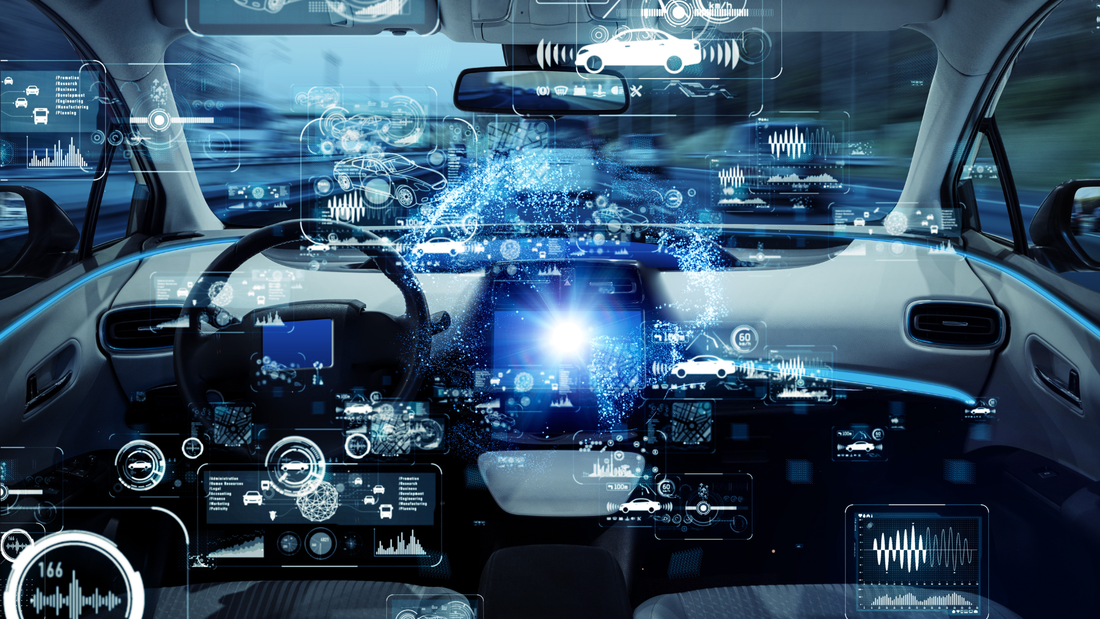
The same, increasingly, is true of your car. It knows where you go, and for how long. For example, Tesla has internal cameras, and according to Elon Musk biographer, Walter Isaacson, that CEO wanted them to record drivers to defend the company against lawsuits in the event of an accident. As your car integrates with your smartphone, the automobile becomes just another digital device that tracks your every move. A contemporary car can accumulate 4,000 gigabytes of data every day. Our cars’ entertainment and communications systems track our address books, call logs and what we listen to. Systems made to monitor performance can report our weight, as well as where we’ve driven, and if we’ve driven there alone or with someone else. But at least your dog in the backseat still won’t rat you out. This is just one more way digital technology is narrowing the bounds of privacy to, essentially, floatation tanks. The good news is that lawmakers in the Bay State are reacting to defend the privacy of their constituents. Two bills, one introduced in the Massachusetts House and one in the Senate, would limit collected data, set rules for the security of that data, and require it to be purged after it becomes irrelevant. Moreover, data collection would require the consent of the owner. Jalopnik.com reports that privacy advocates, however, are finding loopholes in the law “wide enough to drive a Nissan through.” Whatever the strength of these bills, Protect The 1st commends Massachusetts lawmakers for thinking around the technological curve while that very technology hurtles us ever faster, ever forward. As with AI, a sense of urgency for predictive rulemaking is in order. There was a time when talking cars were a staple of science fiction. Now our cars tell us where to go and when to turn – and sometimes won’t shut up. What our cars will do next we may not be able to quite imagine. Massachusetts has started a debate that needs to go national and in high gear. Comments are closed.
|
Categories
All
|
 RSS Feed